
Commercial Landscaping Company Contracts in Wappingers Falls, NY: A Guide to Reading Your Scope of Work
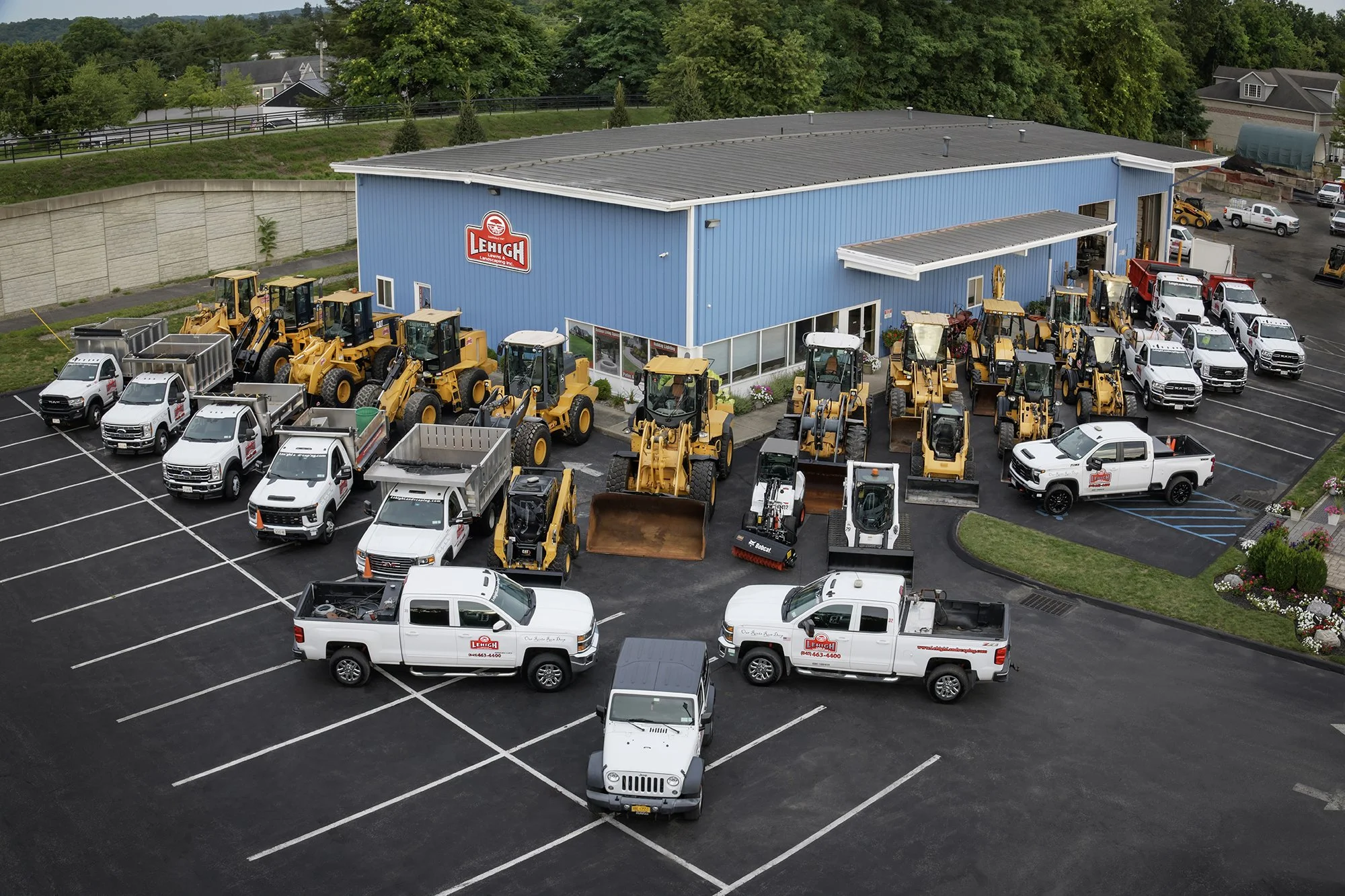
A commercial landscaping company in Wappingers Falls, NY proves itself in the scope document rather than the sales meeting. If you manage an office park, retail center or HOA, you have read a proposal promising full grounds maintenance without saying how often crews arrive.
Lehigh Lawns & Landscaping has served properties across the Hudson Valley with lawn care since 1987, and our commercial work has taken us to restaurants, hotels, airports, warehouses, industrial sites, school campuses and office campuses. A precise scope protects a property manager more than any line on the last page.
You are likely comparing several proposals at once, which is hard when each uses different language for identical work. The six questions below cover the clauses that decide how your site reads in July and how your lot behaves in January.
Related: What to Look for in a Commercial Landscape Contractor in Wappingers Falls, NY
What Should a Commercial Landscaping Scope Document Actually List?
A scope of work should read like an inventory of your property rather than a menu of services. Ours name the turf areas, bed lines, shrub groupings, tree rings, walkways and entrances crews touch, with a frequency attached to each.
A list with no counts and no site map gives you nothing to hold anyone to in August. Two contractors can both write grounds maintenance on a proposal and mean a different number of visits, a different set of beds and a different definition of finished.
Ask for the property divided into zones, and for what each zone receives per season. Zones also give you a shared vocabulary for service calls, since the far island in the north lot is easier to discuss when both parties call it the same thing.
How Often Should Crews Be on a Dutchess County Property?
Visit frequency is the clause that most changes how a site reads to tenants. Turf on a Dutchess County office campus generally needs weekly mowing through the growing season, while bed detailing and shrub pruning run on separate cycles.
Season length matters as much as visit count. A program written around a defined start and end month tells you what you are buying, while an open ended promise leaves the last mow and the final cleanup to whoever is still answering the phone in November.
Confirm the mowing visit count, the bed maintenance visit count and the months covered. Then ask what happens in a wet June when growth outpaces the schedule, since that answer separates a fixed route from a program that responds to the season.
What Counts as Included Work and What Gets Quoted Separately?
Most friction on commercial sites traces to this line rather than to workmanship. Routine mowing, trimming, weed control and seasonal cleanups normally sit inside the maintenance agreement, while storm damage, irrigation repair and plant replacement become separate work orders.
Our commercial lawn care and maintenance program spells out fertilization, weed control, grub control, insect control, mulching and spring and fall cleanups. Knowing what sits inside the program also tells you what your annual budget actually covers before the first surprise invoice arrives.
Ask a contractor to name three things on your property that would generate an extra work order. A company that knows your site answers with specifics, and a company that has not walked it answers in generalities.
How Quickly Should a Contractor Respond Between Scheduled Visits?
Scheduled visits cover the predictable work, and the response clause covers everything else. A commercial agreement should state who you call, what hours that line is staffed and how quickly someone acts on a request outside the route.
We publish a communication guarantee because a facility manager needs a person on the phone rather than a ticket in a queue. Tenant complaints, a downed limb across a fire lane and a broken irrigation head all arrive without warning, and each one has a different acceptable response time.
Put that window in writing for routine requests and for weather events. Name the after hours contact as well, because the request that matters most rarely arrives at two in the afternoon on a Tuesday.
Related: The Benefits of Investing in Professional Commercial Landscaping for Your East Fishkill, NY Business
How Does a Maintenance Agreement Hand Off to Winter Service?
In the Hudson Valley the seasonal transition is where scope gaps do the most damage, because fall cleanup and snow response are often two separate documents. Settle who owns the final leaf removal, who winterizes the irrigation, and whether the company mowing your turf also holds your plow agreement.
Our commercial snow and ice services are arranged late summer through fall, with pre season site assessments before the first event, because most properties are booked before winter. That assessment is where snow stacking areas get chosen, and stacking a lot into a bed line undoes a season of maintenance work.
Align both documents in September. A single contractor holding both makes the handoff easier to enforce, and two contractors make it something you have to manage in writing.
When Should a Commercial Grounds Contract Be Reviewed and Renewed?
Multi year agreements hold up when someone reviews the scope each year against how the property has changed. New tenants, a repaved lot, a replanted entrance or a corrected drainage run all change what the site requires.
The review is also where last season gets settled. Bring the work orders that fell outside the agreement, the complaints that came from tenants and the areas that looked thin in August, and decide whether each belongs in next year's base scope.
Book it ahead of renewal season rather than during it. Sixty days of lead time leaves room to adjust zones and visit counts before the notice period forces a decision.
Schedule a Scope and Contract Review for Your Property
Bring us the proposal on your desk and we will walk the site, mark the zones, and put visit counts, inclusions, response windows and the winter handoff into one document before the season turns.
Contact Lehigh Lawns & Landscaping to schedule a commercial landscaping scope and contract review for your Wappingers Falls, NY property.
In Summary
How long is a commercial landscaping contract in the Hudson Valley, and when does it renew?
Most commercial grounds agreements here run as a defined season program or a multi year term with an annual renewal point. Ask for the start and end months, the renewal date and the notice period, then book a scope review sixty days ahead of it.
What triggers an extra charge outside a commercial maintenance agreement?
Routine mowing, trimming, weed control, fertilization and seasonal cleanups sit inside the program. Storm damage removal, irrigation repair, tree work, plant replacement and any area added to the property are quoted as separate work orders, which is why the scope should list zones and counts.
How is winter work handled on a Wappingers Falls, NY commercial property?
Snow and ice service is usually a separate agreement, arranged late summer through fall because most properties are booked before winter. Lehigh Lawns & Landscaping runs a pre-season site assessment that maps stacking areas, hydrants and priority walkways so plowing, salting and brine application start on the first storm.
Related: 6 Commercial Maintenance Tips For an Accessible Winter Landscape in Westchester County NY